Essay 03 · Theology · Anthropology · Philosophy
A History of God
From spirits of the natural world to the God of the philosophers, a question that remains open: did humanity create the concept of God, or discover something that exists independently of us?
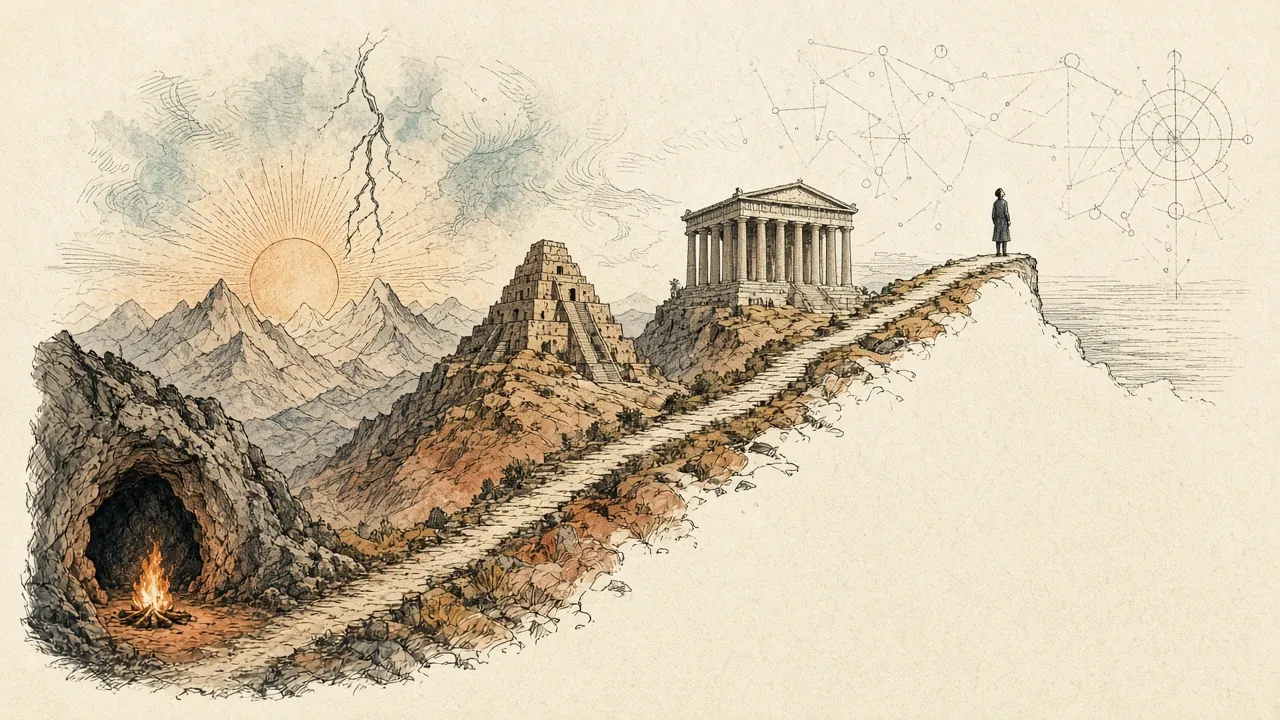
Why should you study history?
To study history is to study change.1
Historians are experts in examining and interpreting human identities and transformations of societies and civilizations over time.
They use a range of methods and analytical tools to answer questions about the past and reconstruct the diversity of past human experience, including how profoundly people have differed in their ideas.
Historians use a wide range of sources to weave individual lives and collective actions into narratives that bring critical perspectives on both our past and our present.
Studying history helps us understand and grapple with complex questions and dilemmas by examining how the past has shaped, and continues to shape, relationships between societies and people.
The past teaches us about the present
Because history gives us the tools to analyze and explain problems in the past, it positions us to see patterns that might otherwise be invisible in the present.
It provides a crucial perspective for understanding and solving current and future problems.
For example, the history of public health might emphasize how environmental pollution disproportionately affects less affluent communities, a major factor in the Flint water crisis.2
Understanding immigration patterns may provide crucial background for addressing ongoing racial or cultural tensions.
In many ways, history interprets the events and causes that contributed to our current world.
History builds empathy
Studying the diversity of human experience helps us appreciate cultures, ideas and traditions that are not our own, and recognize them as meaningful products of specific times and places.
The history of the concept of God
The history of the concept of God includes the development of early polytheistic traditions and complex monotheistic faiths.
Early human societies often worshipped gods associated with nature. Some societies subsequently shifted toward belief in a single supreme deity.
This transition shaped the major Abrahamic religions, Judaism, Christianity and Islam, as explored in Karen Armstrong’s famous study, A History of God.3
Over centuries, philosophers and theologians further redefined the divine, moving from ancient tribal protectors toward abstract philosophical principles and modern secular viewpoints.
Five attributes associated with God
According to theological and biblical traditions, God is often defined by the following core attributes:4
- Omnipresent: God is present everywhere at the same time. There is no place outside God’s presence.
- Omniscient: God has total and infinite knowledge, including knowledge of the past, present and future.
- Omnipotent: God is all-powerful.
- Eternal: God has no beginning and no end. God exists beyond ordinary human time.
- Immutable: God’s fundamental character and nature remain constant and do not change or decay.
Early beliefs and animism
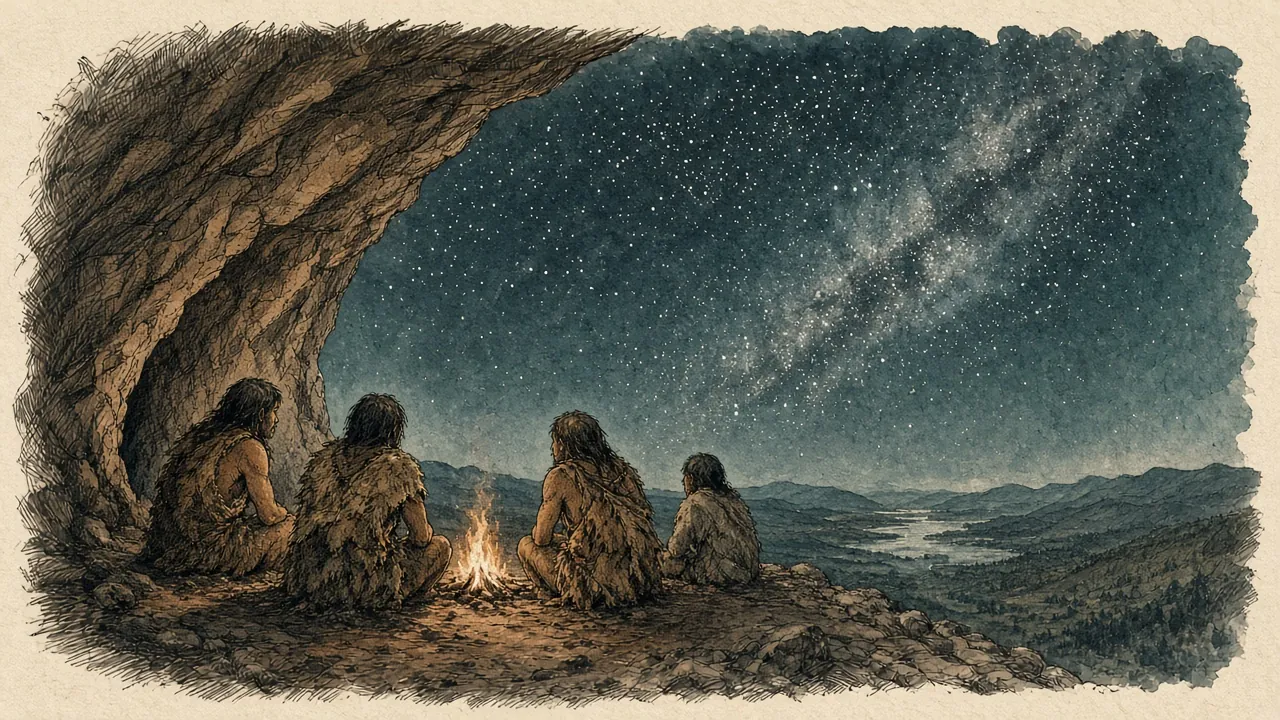
The concept of God developed in different societies through beliefs in spirits, natural forces, polytheistic pantheons and monotheistic traditions.
Prehistoric humans may have made sense of the world through animism, believing that natural elements such as trees, wind, storms and animals possessed spirits or life essences.5
Ancient hunter-gatherers and early civilizations often envisioned higher powers through human traits and physical forms, creating humanized concepts of divinity.
Polytheism and pantheon unification
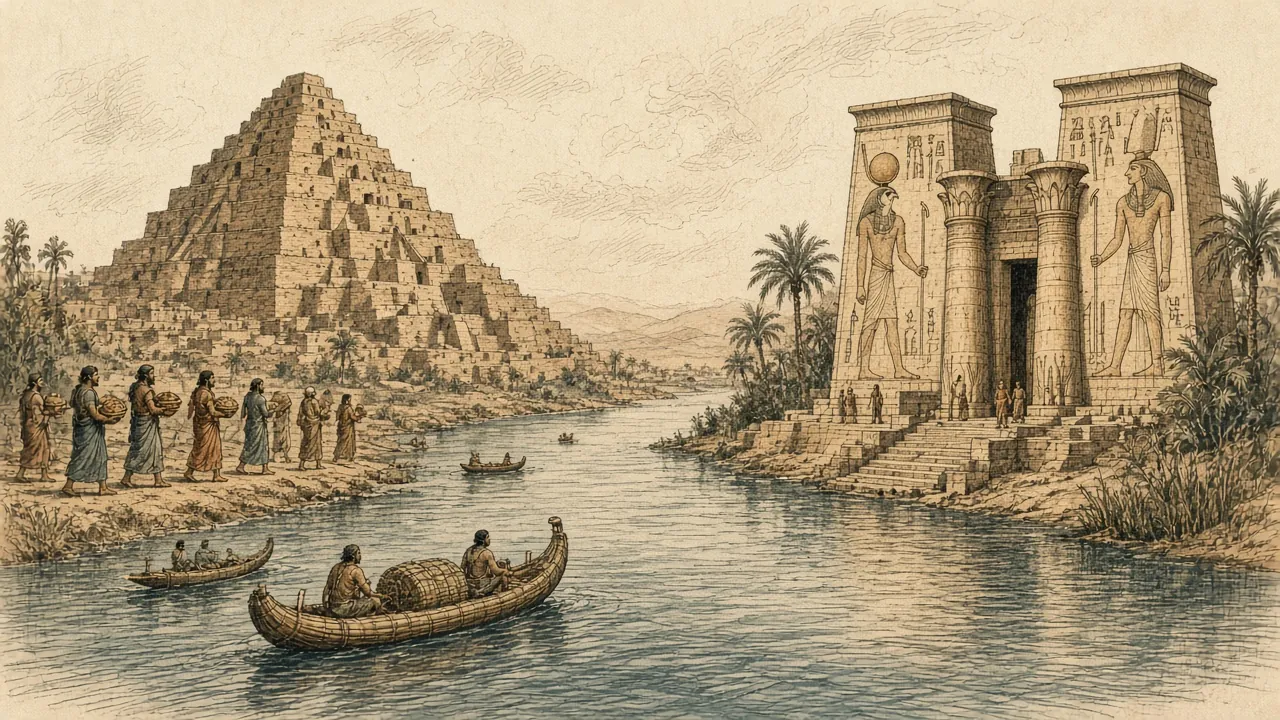
Early civilizations such as ancient Mesopotamia, Egypt and Canaan developed polytheistic religious systems featuring many gods and goddesses tied to specific societal and natural functions.
Over time, powerful city-states sometimes organized their pantheons around a supreme national deity, such as Marduk in Babylon.6
The rise of monotheism
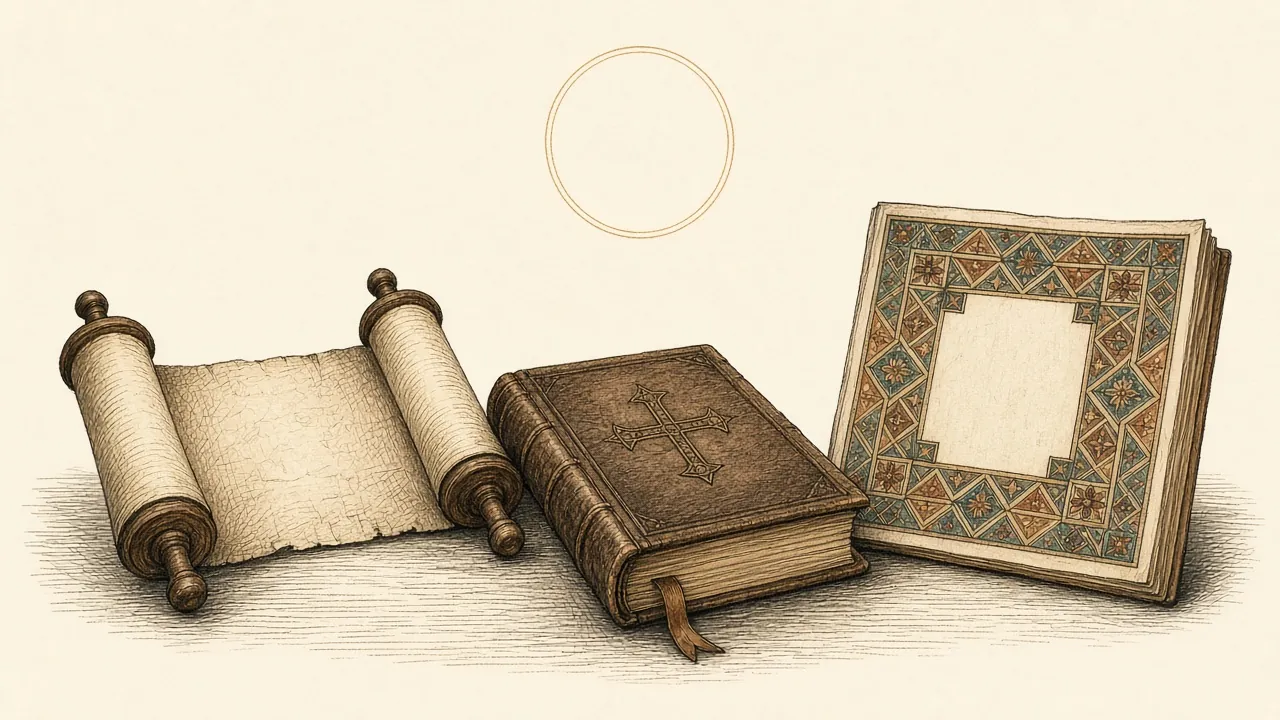
Strict monotheism gradually emerged in the ancient Near East, significantly shaped by the traditions and texts of early Judaism during the first millennium BCE.7
The concept of a singular, transcendent and personal creator God formed the core of the Abrahamic traditions, reshaping global philosophy, law and ethics.
- AnimismSpirits or life-essences dwell in animals, plants, places and natural forces.
- PolytheismMany gods and goddesses, each tied to particular powers or places.
- HenotheismDevotion to one god, without denying that other gods exist.
- MonotheismBelief that there is only one God.
Philosophical and nontheistic evolution
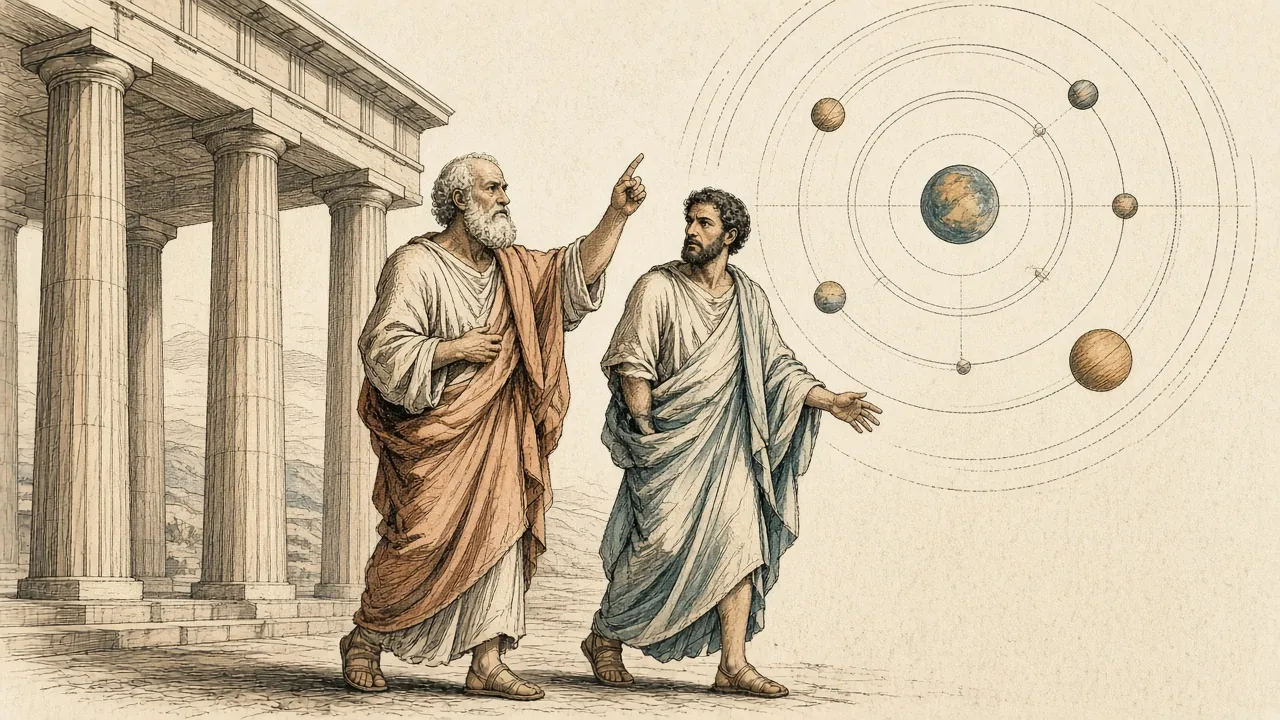
Ancient Greek philosophers such as Plato and Aristotle introduced rational frameworks for understanding ultimate divinity, including abstract concepts such as a first cause or an unmoved mover.8
Eastern traditions, including early Buddhism and certain schools of Hinduism such as Advaita Vedanta, developed metaphysical approaches that do not necessarily center on a personalized creator deity.9
Humanity and the natural world
In simple words, imagine early humans living in caves and contemplating the natural world.
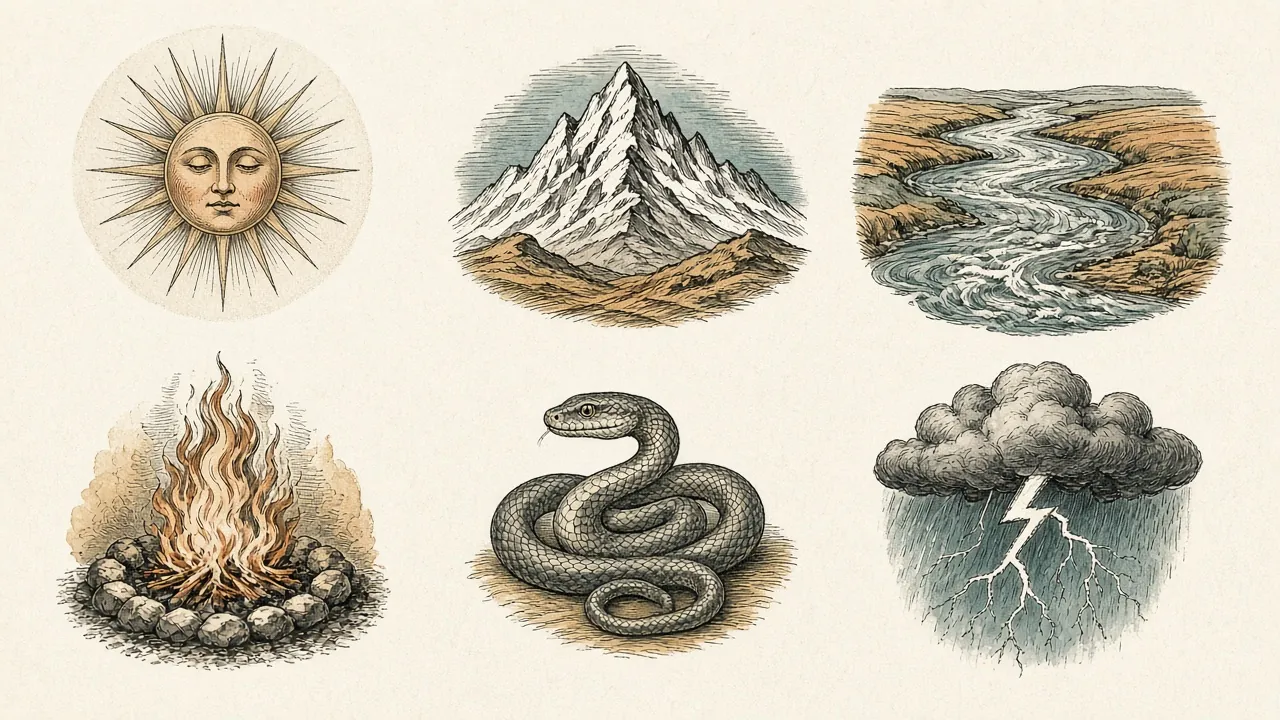
The sun provided light during the day, helping humans protect themselves from carnivorous animals.
Mountains were imposing and difficult to summit.
Rivers could flood agricultural land.
Fire was difficult to understand.
Serpents were dangerous to humans.
Lightning in the sky was beyond ordinary comprehension.
Such natural phenomena became associated with divine powers in many cultures.
As human societies progressed, older concepts of deity were sometimes transformed, reinterpreted or replaced.
In some societies, polytheism eventually developed into monotheism, accompanied by increasingly abstract understandings of the divine attributes described above.
Did humanity create God?
So did humanity create the concept of God, or is there something more than that?
Baruch Spinoza, a seventeenth-century philosopher living in the Netherlands, was excommunicated from his religious community.
His controversial writings challenged traditional understandings of God, and some of his most important work was published after he died.
Albert Einstein famously said that he believed in Spinoza’s God.10
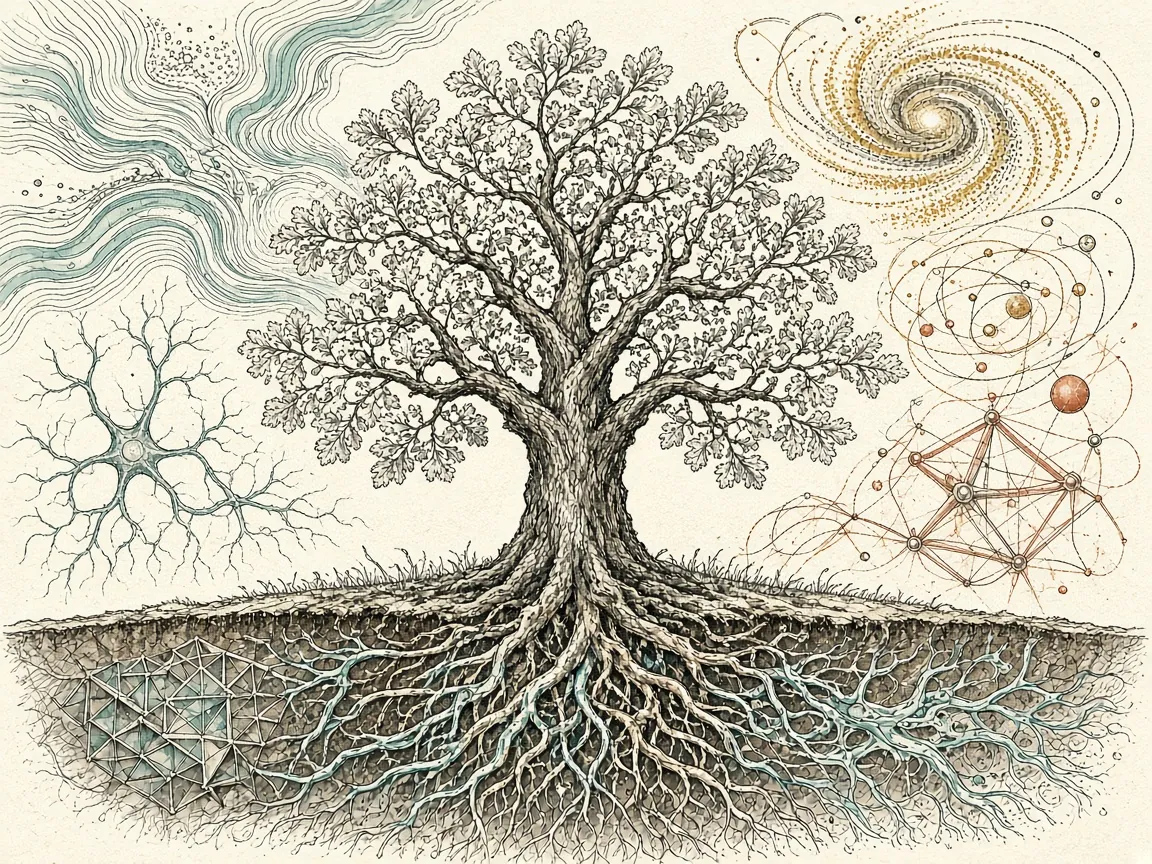
Spinoza understood God through the infinite reality of nature rather than as a personal deity who listens to prayers, changes decisions and punishes humans for events that follow from natural necessity.
- TheismA personal God, distinct from the world, who created it and continues to act in it and respond to people.
- DeismA creator who set the world in motion but does not intervene in it.
- PantheismGod and the whole of reality are one and the same. Spinoza is the best-known philosopher associated with this view.
- NaturalismNature is all there is; there is no God or supernatural realm.
- AgnosticismWhether God exists is unknown, or cannot be known.
| Aspect | A personal creator God | Spinoza's "God, or Nature" |
|---|---|---|
| Relation to the world | Transcendent: distinct from and above creation | Immanent: one infinite substance, of which all things are expressions |
| Will and purpose | Chooses, intends, commands | Acts from the necessity of its own nature, without purposes |
| Emotions | Often described as loving, angry or merciful | Has no passions: neither loves nor hates in a human sense |
| Prayer and miracles | Can hear prayer and intervene | Does not respond to prayer; there are no exceptions to nature's laws |
| Human response | Worship, obedience, trust | Understanding: the "intellectual love of God" |
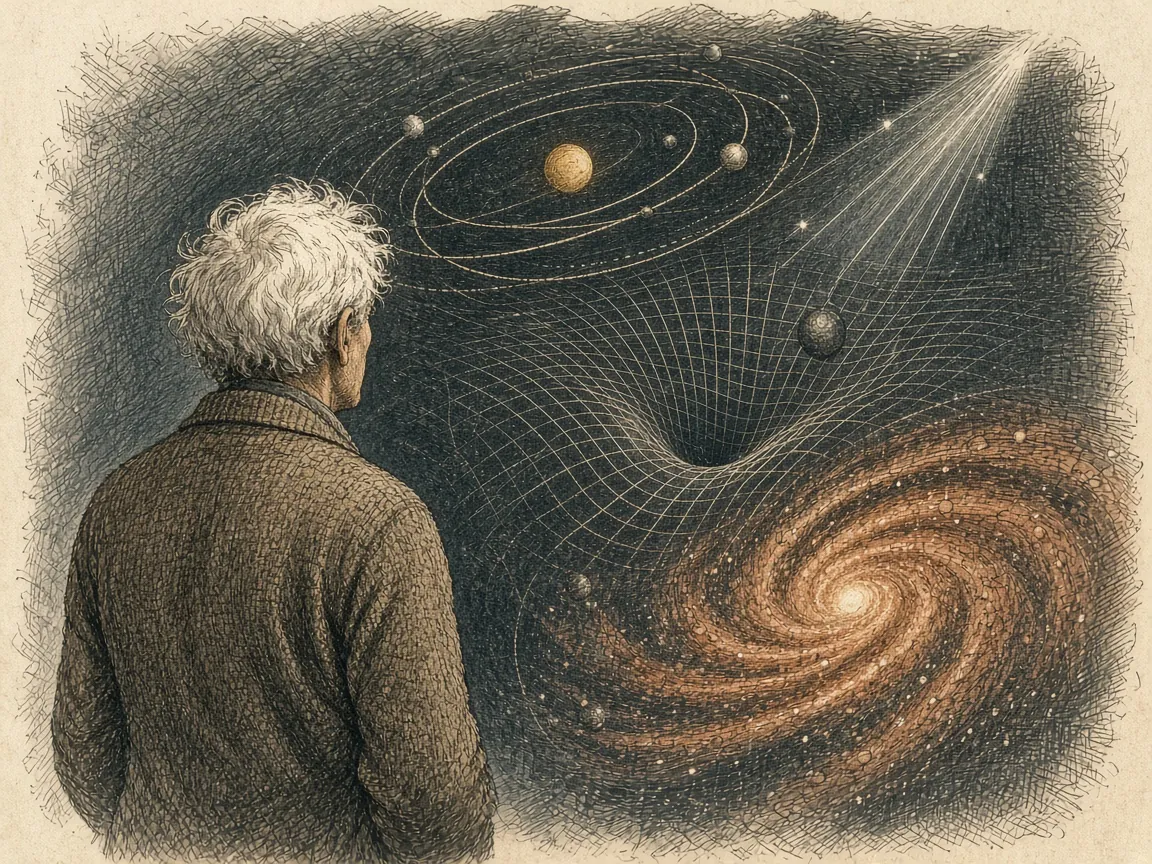
Einstein admired the lawful harmony of the universe.
This raises a profound question: Is God a human concept created to explain existence, or is the order of existence itself something divine?
Notes and sources
Notes marked Editorial note, Context or Verified were added by the editors to correct, clarify or confirm a point. They are not the author’s words.
- Editorial note on sources the opening three sections of this essay closely follow, and in places quote, the University of Wisconsin–Madison Department of History’s statement “Why should you study history?”, including the Flint example. UW–Madison Department of History ↩
- In 2014 the city of Flint, Michigan, switched its water source without adequate corrosion control, exposing residents, many of them low-income and Black, to lead. NRDC, “Flint Water Crisis: Everything You Need to Know” ↩
- Karen Armstrong, A History of God: The 4,000-Year Quest of Judaism, Christianity and Islam (1993). Encyclopaedia Britannica, “Karen Armstrong” ↩
- These attributes come mainly from “classical theism,” as developed by Jewish, Christian and Muslim philosophers and theologians drawing on both scripture and Greek philosophy. Theologians still debate how to understand them, for example whether God’s eternity means being outside time or existing at all times. SEP, “Concepts of God” ↩
- The term “animism” was popularized by the anthropologist Edward B. Tylor in Primitive Culture (1871). Beliefs of prehistoric peoples are inferred from burials, art and comparison with later societies; they cannot be directly known. Encyclopaedia Britannica, “Animism” ↩
- Marduk rose to the head of the Babylonian pantheon, a status celebrated in the creation epic Enuma Elish. Encyclopaedia Britannica, “Marduk” ↩
- Context many scholars think the worship of one god in ancient Israel began as monolatry (worshipping one god without denying others) and became explicit monotheism around the 7th–6th centuries BCE. An earlier, short-lived Egyptian reform under Pharaoh Akhenaten (14th century BCE) focused worship on the sun-disc Aten, and Zoroastrianism in ancient Iran also developed a largely single-god theology. Encyclopaedia Britannica, “Monotheism”; “Akhenaten” ↩
- The “unmoved mover” is Aristotle’s (Metaphysics, Book XII). Plato offered different ideas, such as the divine craftsman (demiurge) of the Timaeus and the soul as the first source of motion in the Laws, Book X. SEP, “Aristotle’s Natural Philosophy” ↩
- Internet Encyclopedia of Philosophy, “Advaita Vedānta” ↩
- Verified In April 1929 Einstein replied by telegram to Rabbi Herbert S. Goldstein of New York, who had asked whether he believed in God: “I believe in Spinoza’s God, who reveals Himself in the lawful harmony of all that exists, but not in a God who concerns Himself with the fate and the doings of mankind.” It was reported in The New York Times on April 25, 1929. SEP, “Baruch Spinoza”; Max Jammer, Einstein and Religion (Princeton University Press, 1999) ↩